

Haaland's Grass-Fed Organ Meat Diet: What the Carnivore Nutrition Trend Gets Right, What It Gets Wrong, and Why the World's Best Striker Is Eating Heart and Liver

Organ Meat Nutrition
Haaland's Grass-Fed Organ Meat Diet: What the Carnivore Nutrition Trend Gets Right, What It Gets Wrong, and Why the World's Best Striker Is Eating Heart and Liver
Haaland eats heart and liver from grass-fed cattle. Here's the nutritional science behind organ meats, what the carnivore movement gets right and wrong, and what any athlete can take from nose-to-tail eating.
The rise of Erling Haaland has brought intense focus to his physical regime. Personal nutrition is a key pillar of his success as an elite athlete.
Modern carnivore trends spark many online debates lately. These discussions often highlight important truths about high micronutrient density and ancestral human fuel sources.
Evidence shows that Haaland does not follow a strict carnivore protocol. However, his choice to consume organ meat reflects a deep understanding of bioavailable health.
Eating heart and liver from grass fed cattle offers unique benefits. This approach helps the striker maintain peak performance during a grueling Premier League season.
He prioritizes whole foods over processed alternatives. By focusing on nutrient-dense animal products, he secures a significant metabolic advantage over many of his peers.
What Organ Meats Actually Contain (And Why It Matters)
Liver is often called nature's multivitamin for good reason. It provides a spectrum of nutrients that most modern diets lack in significant amounts.
Per 100 grams, beef liver offers 70 times the daily B12 requirement. It is an unmatched whole-food source of preformed vitamin A (retinol).
The organ also contains folate, iron, copper, and zinc. These minerals are vital for athletic recovery and hormonal health for a player like Haaland.
Additionally, liver provides CoQ10 for mitochondrial energy. This compound supports cellular function and endurance under high physical stress in professional sports.
Beef heart offers a different but valuable profile. It is lower in vitamin A but contains even higher concentrations of energizing CoQ10.
Heart protein structures resemble conventional muscle meat. This makes it an easy entry point for athletes looking to improve their daily diet.
Grass-fed liver vs. conventional beef steak (per 100g)
- Vitamin B12: Liver — 70x RDA. Steak — ~1.5x RDA
- Vitamin A (retinol): Liver — extremely high. Steak — negligible
- CoQ10: Liver — moderate-high. Steak — low-moderate
- Iron (haem): Liver — very high bioavailability. Steak — high bioavailability
- Copper: Liver — very high. Steak — low
Why Grass-Fed Specifically — And Does It Matter?
The grass fed label represents a genuine nutritional distinction. Fatty acid profiles in pasture-raised cattle differ significantly from grain-fed alternatives.
Grass-finished animals offer a better omega-3 to omega-6 ratio. They also contain higher levels of conjugated linoleic acid, which supports fat metabolism.
Vitamin K2 (MK-4) is much higher in these animals. This nutrient is essential for arterial health and proper calcium distribution in the body.
Sourcing is critical when consuming any organ. Since the liver filters substances, the health of the animal determines the final nutrient quality.
A pasture-raised animal produces superior tissues. These results are measurable in laboratory tests comparing different agricultural methods and livestock feed protocols.
What the Carnivore Movement Gets Right (And Wrong)
The carnivore community correctly identifies the value of nose-to-tail eating. This framework highlights that traditional populations maintained very high micronutrient intakes.
However, extreme versions of this diet may be unnecessary. Haaland avoids total exclusion by maintaining a wider variety of foods in his plan.
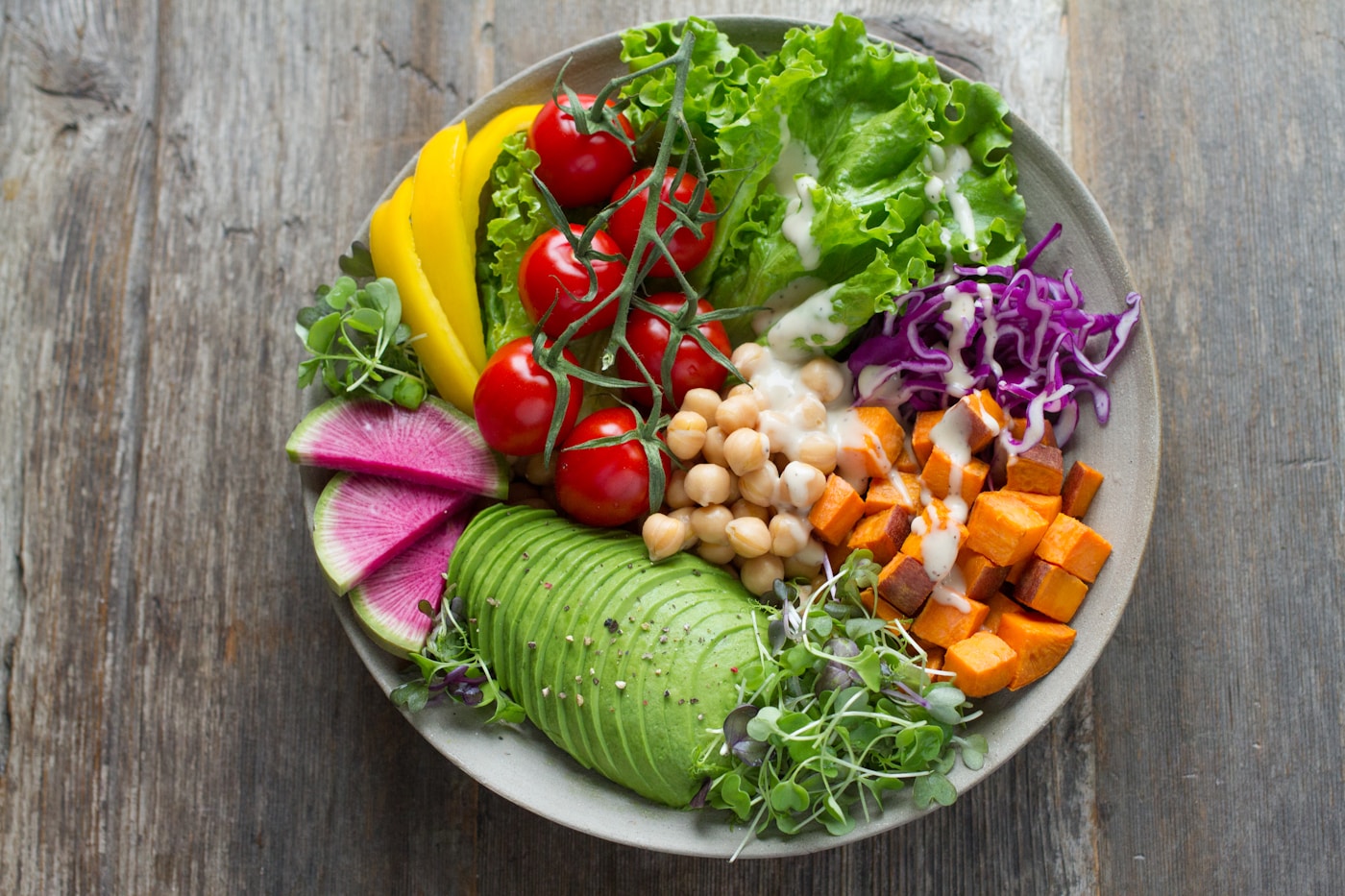
Plant diversity supports gut microbiome health and anti-inflammatory pathways. Most athletes benefit from combining high-quality meats with specific, well-tolerated plant sources.
Removing all plants based only on anecdotes remains controversial. A balanced approach often yields the best long-term results for cardiometabolic health and longevity.
What Any Athlete Can Take From the Haaland Nutrition Strategy
You do not need a radical overhaul to improve. Small shifts toward nutrient density can yield significant returns for your energy and recovery.
Consuming liver once per week provides a massive nutritional boost. This load is almost impossible to replicate with standard multivitamins or supplements.
Switching to high-quality beef improves your fatty acid balance. This change helps manage systemic inflammation without needing extra fish oil pills.
Whole animal products remain the most bioavailable source of iron. Maintaining healthy blood levels is vital for any endurance or strength athlete.
Better sourcing is worth the extra cost for these items. Prioritize pasture-raised sources to ensure you are getting the cleanest possible nutrition every day.
"The most nutrient-dense foods in the human diet are also the ones that have been consistently deprioritised by modern convenience culture. Haaland is one of the highest-profile examples of someone choosing differently."
Semveta · Chaski Cacao
The functional ritual for people who take their performance seriously
Ceremonial-grade cacao with lion's mane, cordyceps and ginkgo biloba. Clean daily energy — no added sugar, no synthetic stimulants, no compromise.
Try Chaski Cacao →